
 by
by 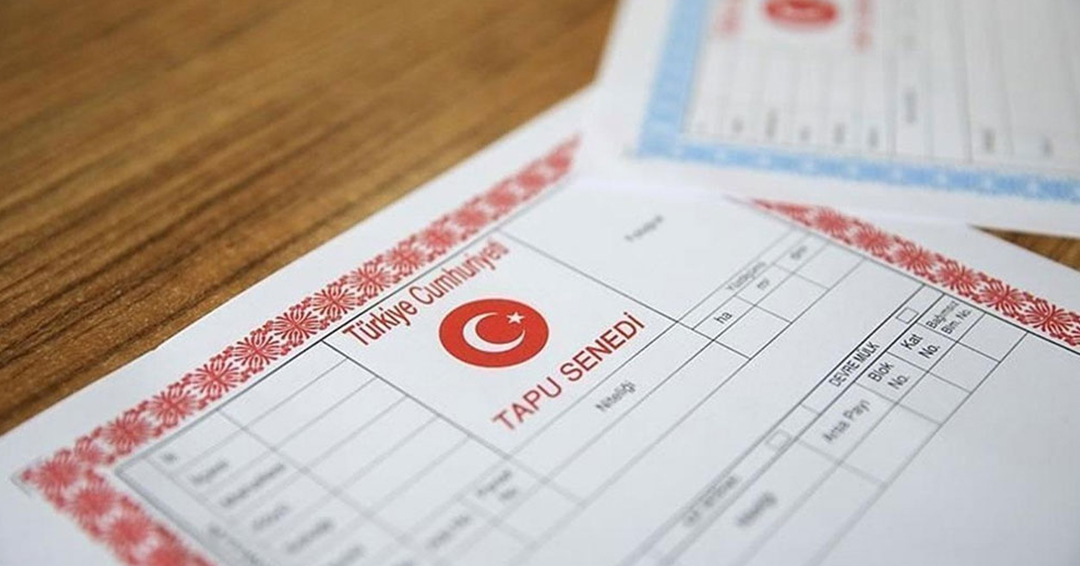
Turkish Tapu: A Comprehensive Guide to Title Deeds in Turkey
In the realm of real estate in Turkey, the Turkish tapu, or title deed, holds a pivotal role as the official document signifying property ownership. Understanding the nuances of the tapu process is essential for both local and international investors navigating the vibrant Turkish property market.
What is a Turkish Tapu?
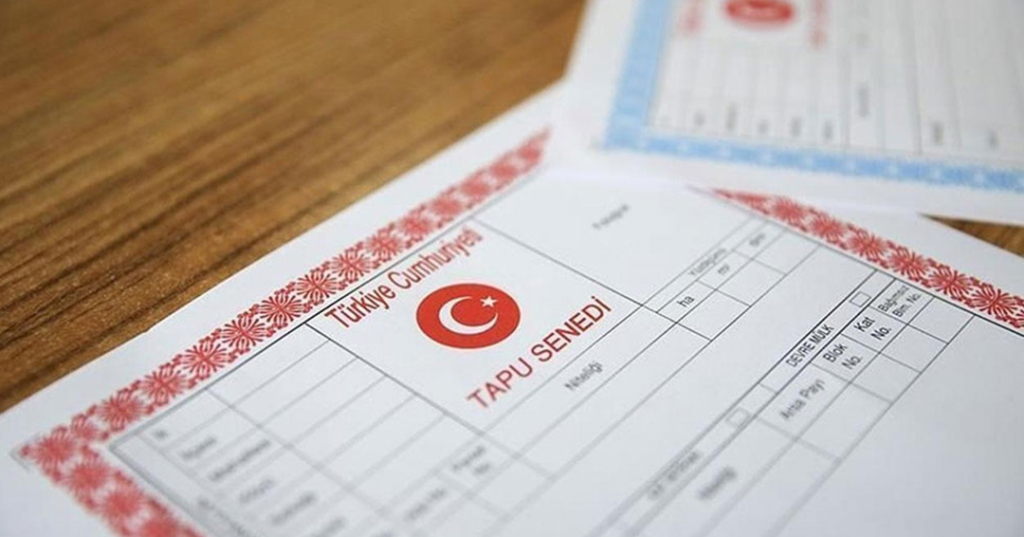
The Turkish tapu is a legal document issued by the Land Registry Directorate in Turkey, officially recognizing the ownership of a property. It serves as concrete proof of ownership, outlining essential details about the property, including its location, size, and the names of the rightful owners.
Types of Title Deeds:
In Turkey, there are several types of title deeds catering to different property categories. The most common ones include:
- TAPU (Title Deed): The general title deed for ownership.
- KAT MÜLKİYETİ (Condominium Deed): Specific to apartments in multi-unit buildings.
- ARSA (Land Deed): About vacant land or plots.
- MÜSTAKİL PARSEL (Independent Parcel Deed): For individual plots within a larger land.
Tapu Application Process: The process of obtaining a tapu involves several steps:
- Land Registry Directorate: The application begins at the local Land Registry Directorate, where all relevant documents, including a deed transfer document and a cadastral sketch, are submitted.
- Military Clearance: For non-Turkish citizens, a military clearance process is mandatory, ensuring that the property does not fall within restricted military zones.
- Approval and Issuance: Once all checks are complete, and any required fees are paid, the tapu is approved and issued, officially transferring ownership.
Foreign Ownership Regulations: Turkey has opened its doors to foreign property ownership, but certain regulations apply:
- Reciprocity Principle: Some countries enjoy reciprocity, allowing their citizens to buy property in Turkey. However, citizens from countries without reciprocity may need special permission.
- Military Clearance: Foreign buyers are subject to military clearance, a process that ensures national security.
Tapu Categories for Foreign Buyers: Foreign buyers generally receive TAPU documents categorized as “real persons” or “legal entities,” depending on their status. The process may vary slightly for individuals and corporations.
Tapu Transfer Costs: Property transactions in Turkey involve various fees and taxes, including:
- Title Deed Fee: A percentage of the property’s declared value.
- Value Added Tax (VAT): Applicable to certain properties.
- Land Registry Fee: Covers the administrative costs of the tapu issuance.
Importance of the Turkish Tapu: The tapu is not merely a legal formality but a crucial document offering:
- Ownership Security: It provides a secure and legal basis for property ownership.
- Investment Protection: Foreign investors can be confident in the legal framework that protects their property rights.
Potential Pitfalls and Due Diligence: While the tapu process is well-established, due diligence is crucial to avoid potential pitfalls. This includes verifying property titles, checking for any outstanding debts or liens, and understanding the property’s zoning regulations.
Seeking Professional Assistance: Navigating the tapu process can be complex, especially for non-Turkish speakers. Engaging the services of a reputable real estate agent or legal advisor familiar with Turkish property laws can streamline the process and ensure a smooth transaction.

Turkish tapu is the linchpin of property ownership in the country, symbolizing legal and secure possession. Whether you’re a local or an international investor, understanding the intricacies of the tapu process is essential for a successful and trouble-free property acquisition journey in Turkey.
Frequently Asked Questions (FAQs) about Turkish Tapu
What is a Turkish Tapu, and why is it important?
A Turkish Tapu is a legal document issued by the Land Registry Directorate in Turkey, confirming property ownership. It is of utmost importance as it serves as concrete proof of ownership and provides security and legal standing for property holders.
Are there different types of Turkish Tapu, and how do they differ?
Yes, there are various types of Tapu, including TAPU (Title Deed), KAT MÜLKİYETİ (Condominium Deed), ARSA (Land Deed), and MÜSTAKİL PARSEL (Independent Parcel Deed). Each type corresponds to different property categories such as apartments, vacant land, or individual plots within larger lands.
What is the process of obtaining a Turkish Tapu?
The tapu application process involves submitting relevant documents to the local Land Registry Directorate. For non-Turkish citizens, military clearance is mandatory to ensure the property does not fall within restricted military zones. Once approved, the tapu is issued, officially transferring ownership.
Are there specific regulations for foreign buyers regarding Tapu?
Yes, Turkey allows foreign ownership of property, but certain regulations apply. The reciprocity principle determines if citizens from certain countries can buy property directly. Foreign buyers are also subject to military clearance, ensuring national security.
What are the categories of Tapu for foreign buyers?
Foreign buyers generally receive TAPU documents categorized as “real persons” or “legal entities,” depending on their status as individuals or corporations.
What are the costs associated with Tapu transfer?
Tapu transfer costs include the Title Deed Fee, a percentage of the property’s declared value, Value Added Tax (VAT) for certain properties, and the Land Registry Fee, covering administrative costs.
Can I seek professional assistance when dealing with Tapu?
Yes, it is highly recommended to seek professional assistance. Engaging the services of a reputable real estate agent or legal advisor familiar with Turkish property laws can streamline the process, ensuring a successful property acquisition journey.
Is there any specific information on the Tapu that I should pay attention to?
Yes, important details on the Tapu include the property’s location, size, and the names of the rightful owners. Additionally, foreign buyers should check their Tapu category and ensure that all details are accurate.
How long does it take to complete the Tapu process?
The duration of the Tapu process can vary. While the application and approval stages may take a few days, factors such as military clearance and administrative processes can influence the overall timeline. Engaging professionals can help expedite the process.
Understanding the ins and outs of the Turkish Tapu process is essential for anyone considering property ownership in Turkey. These frequently asked questions provide a comprehensive overview, but individual circumstances may vary, emphasizing the importance of seeking personalized advice for a smooth property acquisition experience.
Join The Discussion